The one leadership quality that changes everything? It’s not what you think.
After 25 years working with leaders, I can tell you it’s not IQ, it’s not credentials, and it’s not tenure.
It’s coachability.
The willingness to stay curious. To receive feedback without flinching. To sit with the discomfort of not knowing and then actually do something that begins the transition to new growth.
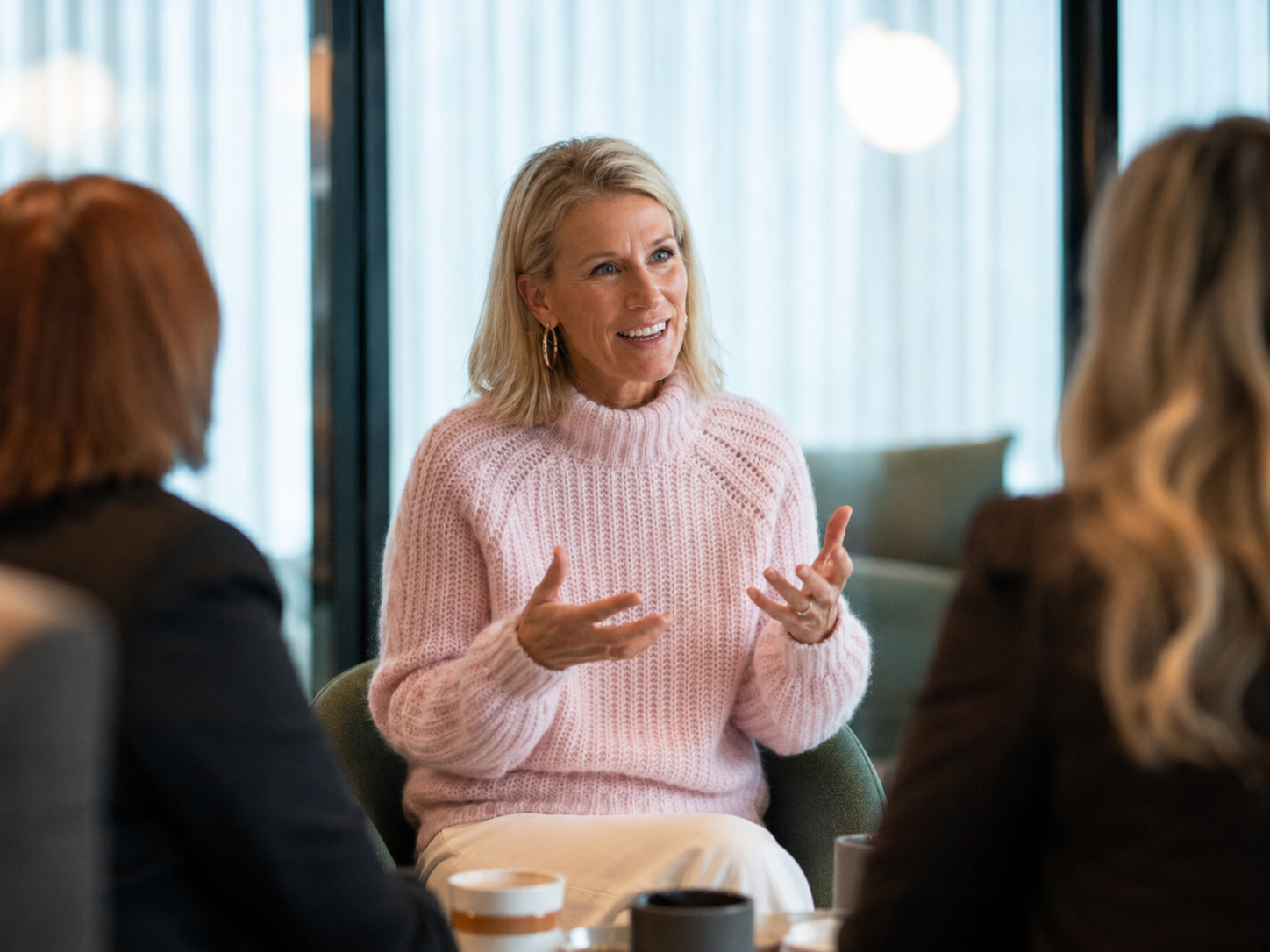
Recently, I’ve been working closely with a number of executive teams, and what strikes me every time is how visible this quality is and how much it matters. The leaders who are genuinely thriving aren’t the loudest or the most polished. They’re the ones who combine real humility with a strong desire for growth. The ones who remain curious and open.
And here’s what I’ve come to believe about why coachability matters so much right now.
Most leadership development is horizontal. It adds new skills, frameworks, and knowledge to a leader’s existing toolkit. It’s valuable. But it has a ceiling. You can load a leader up with new competencies and still find that under pressure, under complexity, under real uncertainty, they revert. The toolkit expands but the leader doesn’t fundamentally change.
Vertical development is different. It’s not about adding more, it’s about growing the capacity of the leader themselves. How they make sense of complexity. How they hold multiple perspectives simultaneously. How they respond rather than react when everything is ambiguous. It’s the difference between a leader who has learned about feedback and one who has genuinely transformed their relationship with it.
Coachability is what opens the door to vertical development. You simply cannot grow vertically without it. And in a world of accelerating complexity, horizontal development alone is no longer enough.
And the data? It’s impossible to ignore.
Research from the ICF and PwC across 64 countries shows that executive coaching typically returns 3 to 7 times the investment, with 86% of organisations reporting positive returns. That’s not a feel-good stat, it’s a business case.
But here’s what I think matters even more than the financial return: Gallup’s research shows that managers influence roughly 70% of the variance in their team’s engagement. Seventy percent. The single biggest lever in your entire organisation sits with your people leaders.
So what’s happening to those leaders right now?
Since 2022, manager engagement has dropped nine points. The largest single-year decline happened between 2024 and 2025, a five-point fall. Managers, who once enjoyed an “engagement premium,” are now only as engaged as the people they lead.
Low engagement cost the world economy approximately $10 trillion in lost productivity last year, roughly 9% of global GDP.
We are asking the people with the most influence over our workforce to carry more than ever: restructures, budget pressure, AI disruption, often with little to no support. And in most cases, the development on offer is purely horizontal. More courses. More frameworks. More content.
What’s missing is the vertical. The development that grows the leader from the inside out.
And yet, when we do invest in that? Research from the ICF and Human Capital Institute found that 72% of organisations report a strong correlation between coaching and increased employee engagement. Not a marginal lift but a consistent, organisation-wide shift. The ripple effects are real and measurable.
Here’s the shift I want every leader to consider:
Coachability isn’t a soft skill. It’s a strategic advantage and it’s the gateway to vertical growth.
The leaders I see thriving aren’t the ones who have all the answers. They’re the ones who keep asking better questions. Who seek out feedback before it finds them. Who see a coaching conversation not as a remediation but as an invitation to grow into a more expansive version of themselves as a leader.
In a world where the complexity of the challenges we face is outpacing the development of the people leading through them, the capacity to grow vertically and not just accumulate horizontally, is the most future-proof investment a leader can make.
If you’re wondering whether coaching is right for you or your leadership team, I’d love to have that conversation.
———————————————————————————————————————————————————————————————–
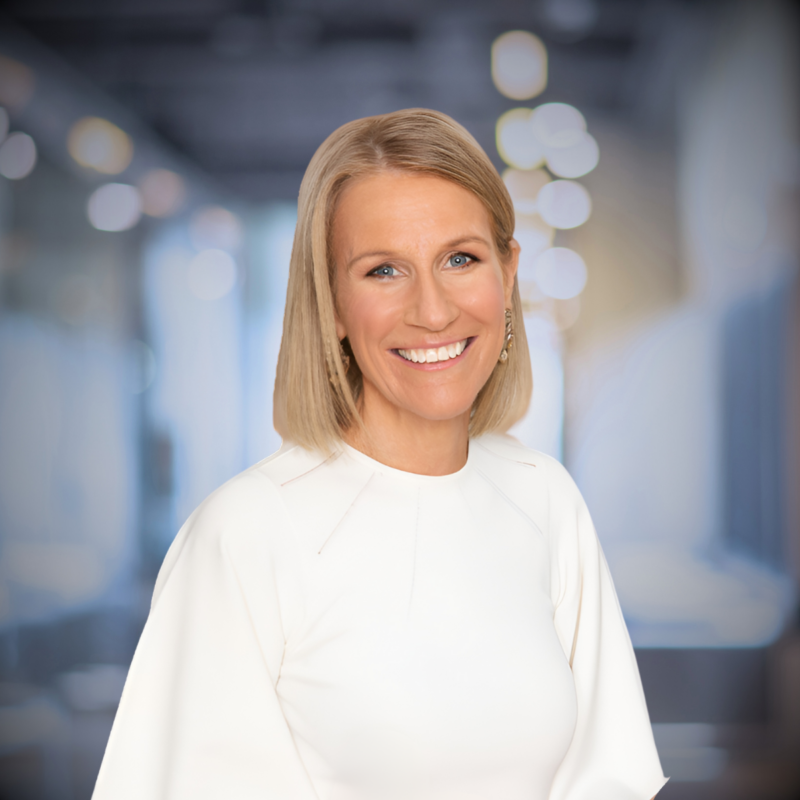
Meet Aly O’Shannessy
Aly heads the Coaching and Transition practice at Future Leadership. She is a senior executive coach and leadership consultant with over 25 years of global experience driving measurable outcomes in leadership, performance, and organisational effectiveness. She joins Future Leadership to lead and evolve our Coaching practice, bringing deep expertise in assessment-led transformation, high-potential acceleration, and cultural change. Aly will guide the development of our coaching methodologies to align with market shifts and client needs, ensuring our approach remains evidence-based, future-focused and impact-driven.
Aly has held senior roles in global consulting firms and leading institutions. Her consulting career spans ASX-listed companies, multinationals, government, education, and not-for-profit sectors, where she has worked with CEOs, CHROs and senior leadership teams to navigate changing priorities and lead complex transformations in culture, capability, and organisational performance. She brings a truly global perspective, having worked across East Asia, the Middle East, North America, and Europe on large-scale change and leadership initiatives.
Known for her calm presence, deep insight, and values-driven approach, Aly is trusted by leaders to guide them through complex challenges with clarity, compassion, and impact. Aly holds a Master of Commerce and Bachelor of Arts from the University of Melbourne, and a Graduate Diploma in Psychology from Monash University.